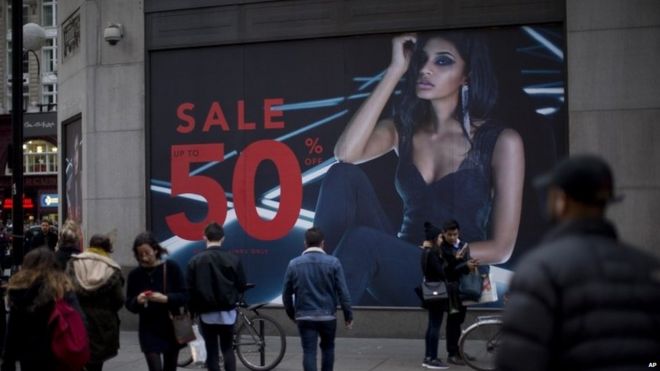
 The administration confronts conceivable thrashing on arrangements that could augment Sunday exchanging hours in England and Wales after the SNP said it would vote against them.
 MPs will vote later on giving control of the issue to nearby committees - which unions and Labor say could stretch out Sunday opening by up to six hours.
The SNP had considered declining in the vote, as there are no Sunday exchanging limitations in Scotland.
Be that as it may, the gathering now wants to vote against augmenting hours in England and Wales.
It guarantees the arrangements could hit shop-worker's pay in Scotland - a position depicted as "remarkable" and "misleading" by the administration.
'Peculiar position'
In the event that the SNP groups together with Labor and the 20 or more Conservatives backbenchers restricted to the arrangements it could vanquish the legislature in the Commons vote later.
The Lib Dems have been given a free vote - with their eight MPs anticipated that would be part 50/50 on the issue.
The proposed Sunday exchanging changes are not secured by new English Votes for English Laws procurements on the grounds that different parts of the Enterprise Bill apply to Scotland.
Work is guaranteeing it influenced the SNP to get behind their battle to hinder the expansion of Sunday exchanging.
Shadow business secretary Angela Eagle said the administration arranges, which had not been specified in the Conservatives' race pronouncement, would lead "to the continuous disintegration and reduction of laborers' pay and rights over the UK, including Scotland".
The SNP's representative pioneer Stewart Hosie said Scottish laborers were paid additional for chipping away at Sundays and there were no assurances these "premium pay" rates, worth a great many pounds a year, would be secured if hours were stretched out in different parts of the UK.
"We are depending on sureties or not from private organizations and that basically doesn't wash when we are discussing the salaries of maybe 33% of retail workers in Scotland."
Traditionalist MP Grant Shapps, who has crusaded to unwind Sunday exchanging laws, portrayed the SNP's position as "the most peculiar position I've ever heard".
Mr Shapps said the Bill offered extra insurances for specialists, for instance by diminishing the measure of notification they have to give in the event that they would prefer not to take a shot at a Sunday, and he expected that organizations "might well discover they need to pay a premium" to staff working amid the augmented hours.
"Poisonous" issue
The starting unwinding of Sunday opening hours made a considerable measure of employments and was worth about £20bn to the British economy, he said.
Mr Shapps told BBC Radio 4's Today program: "It's two decades since these standards were first set. The web hadn't been developed at the time.
"We've now got a circumstance where individuals can get shopping conveyed on a Sunday yet you can't go into a shop and purchase. It's somewhat silly and it's an ideal opportunity to redesign these guidelines."
An administration representative said: "It's an especially phenomenal position for a gathering that apparently has confidence in devolution of forces from Whitehall to be trying to obstruct neighborhood pioneers in whatever is left of the UK having the capacity to pick what's ideal for their groups and their economies."
BBC appointee political editorial manager James Landale said Sunday exchanging had for quite some time been a "poisonous" issue for the Conservatives, creating an uncommon Commons rout for Margaret Thatcher in 1986, when 72 Tory MPs opposed arrangements to unwind confinements - despite the fact that it was knocked off the front pages by US air strikes on Libya dispatched from UK bases. Perused more from James.
Since 1994, little shops - those up to 280 sq m, or 3,000 sq ft in size - in England and Wales can open when they need to on Sundays yet bigger stores are limited to six hours somewhere around 10:00 and 18:00. Retailers can be fined up to £50,000 on the off chance that they break the standards.
Priests need to give English and Welsh boards the flexibility to decide opening hours in their general vicinity, contending this will advantage High Streets attempting to go up against online retailers. The move, they contend, is likewise in accordance with changing recreation and working examples.
There are 353 gatherings in England and 22 in Wales.

No comments:
Post a Comment